

Woodworking is not just about shaping wood into functional objects; it’s also a canvas for creativity and expression. By incorporating storytelling into your woodworking projects, you can breathe life into each piece, making it more than just a product. This approach not only enhances your craftsmanship but also creates a deeper connection between the maker and the audience.
Understanding the Power of Storytelling in Woodworking
Every piece of wood has a story waiting to be told. When you approach your projects with this mindset, it transforms the way you select materials and design your creations. For instance, using reclaimed wood can add a narrative of sustainability and history to your work. This is where the creative storytelling aspect comes into play, allowing you to weave personal anecdotes or historical references into your projects.
Moreover, storytelling can elevate the emotional resonance of your work. When you share the inspiration behind a piece, whether it’s a childhood memory or a cultural tradition, it invites others into your world. This connection can turn a simple chair into a family heirloom or a decorative item into a cherished memory. By exploring the intersection of art and wood crafting, you find ways to integrate personal narratives into your designs, making them meaningful and unique.
Techniques for Weaving Stories into Your Projects
To effectively incorporate storytelling into your woodworking, start by reflecting on what inspires you. Think about your experiences, family history, or even the origins of the materials you choose. For instance, if you’re using wood from a fallen tree in your backyard, consider the memories associated with that tree and how they can influence your design. This personal touch not only enriches your project but also engages your audience on a deeper level.
Another technique is to create a narrative around the functionality of your piece. Why did you choose a particular form or finish? What does it represent? When you articulate these choices, you create a dialogue with your audience, allowing them to appreciate not just the craftsmanship but also the thought behind it. This storytelling approach can turn a simple project into a conversation starter, enhancing the overall experience of your work.

Storytelling is an art that transcends various crafts, including woodworking. As woodworkers, we have the unique opportunity to infuse our projects with narratives that resonate with those who encounter them. By incorporating storytelling into woodworking, we not only create functional pieces but also evoke emotions and memories, making each project a part of a larger tale.
Connecting Emotion with Craftsmanship
When we think about the pieces we create, it’s essential to consider the emotional connections they can foster. Every piece of wood has its own history, and sharing that story can enhance the appreciation of the final product. For instance, a table made from reclaimed wood can symbolize sustainability and resilience. The story of asa christiana serves as a poignant reminder of how personal experiences shape our craftsmanship. By sharing such narratives, we invite others to see the beauty in the materials we choose and the care we put into our work.
Crafting Personal Narratives
Incorporating personal stories into woodworking projects can transform the way we approach our craft. Each item can tell a tale of inspiration, struggle, or triumph. For example, if a piece is made as a gift, sharing the backstory of the recipient can deepen the significance of the item. This connection not only enriches the experience for the creator but also for the recipient, who may cherish the piece even more knowing its origin.
Moreover, using storytelling in woodworking can also highlight the techniques and innovations we employ. A project that utilizes innovative woodworking techniques can be framed within a narrative that emphasizes creativity and problem-solving. By doing so, we not only showcase our skills but also inspire others to explore their creativity and find their own stories within their work.
Engaging the Audience
Engaging your audience through storytelling can significantly enhance the impact of your woodworking projects. When presenting your work, consider sharing the journey of creation, including the challenges faced and the lessons learned along the way. This transparency can resonate with others who may have faced similar hurdles in their creative pursuits. It fosters a sense of community and encourages dialogue, allowing for shared experiences and insights.
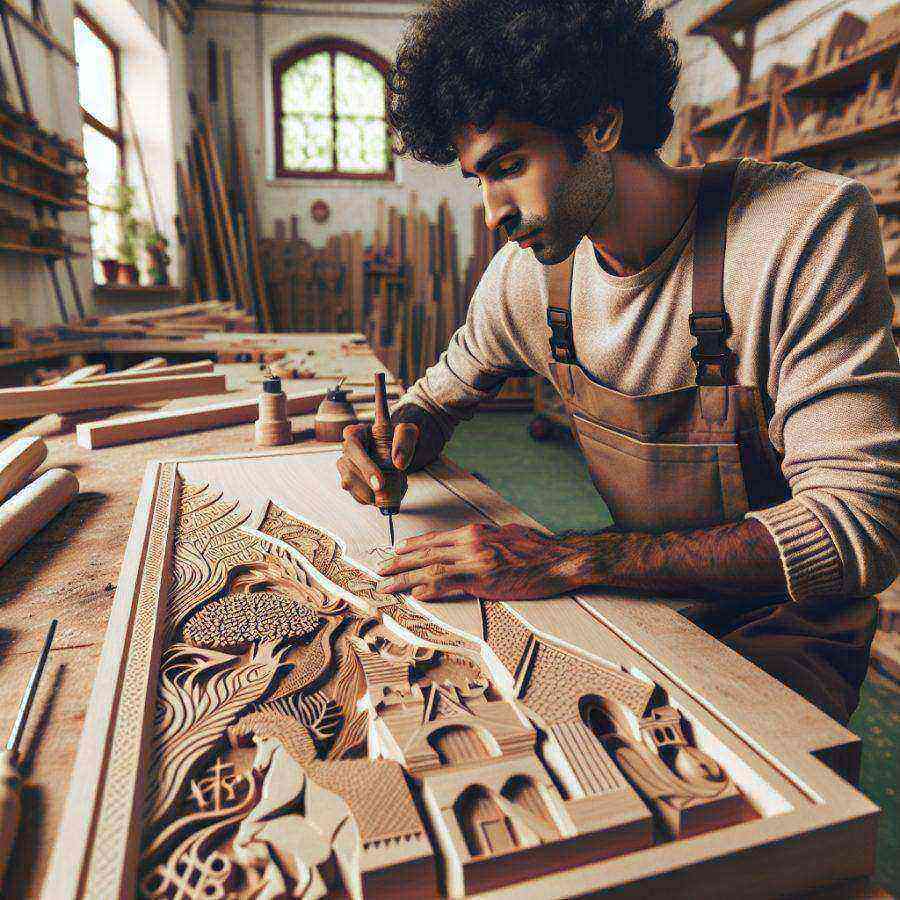
As you narrate the stories behind your projects, remember to be authentic. Your genuine passion for woodworking will shine through, drawing others into your narrative. This authenticity not only builds trust but also invites others to connect with your work on a personal level, making your projects memorable and meaningful.
As we wrap up our journey into the art of woodworking infused with storytelling, it’s evident that the narratives we create around our projects can elevate them from mere objects to cherished memories. Each piece of wood we carve holds the potential for a story, and when we incorporate personal experiences, cultural heritage, or even fictional tales, we breathe life into our creations. This final segment will explore how embracing storytelling not only enhances the woodworking process but also deepens the connection between the maker and the audience.
Transforming Wood into a Canvas of Stories
Woodworking is not just about shaping materials; it’s about shaping emotions and experiences. When you approach a project with storytelling in mind, you transform a simple piece of wood into a canvas that reflects your journey. Whether it’s a family heirloom or a contemporary piece, embedding a narrative allows you to express your identity and values through your work. As you carve, sand, and finish, think about the stories that inspired you and how they can be woven into the very fibers of your creation.
For instance, a dining table crafted for family gatherings can carry the legacy of shared meals and laughter. By sharing the history of your family traditions alongside the craftsmanship, you invite others to appreciate not just the aesthetics but the significance behind the piece. This intertwining of personal history with the physical object creates a profound connection that resonates with anyone who encounters it.

Moreover, storytelling in woodworking can also serve as a bridge to connect with the audience. By sharing the narrative behind your project, you engage viewers on a deeper level, sparking their imagination and inviting them to envision their own stories. This engagement transforms passive observers into active participants in the narrative you’ve created.
Building Community Through Shared Narratives
Incorporating storytelling into woodworking can also foster a sense of community among makers and enthusiasts. When you share your stories through workshops, exhibitions, or social media platforms, you create opportunities for dialogue and connection. These shared experiences not only enrich your own practice but also inspire others to explore their narratives within their craftsmanship.
Consider how many woodworking groups and forums thrive on storytelling. Members often share not only their projects but also the tales behind them, creating a vibrant tapestry of experiences that enriches the collective knowledge. By participating in these communities, you not only learn from others but also contribute to a larger narrative that celebrates the art of woodworking and the stories that accompany it.
As you continue your woodworking journey, remember that every piece has the potential to tell a story, and every story has the power to connect. Embrace the process of storytelling as a fundamental aspect of your craft, and don’t hesitate to share your experiences, whether through social media or local gatherings. By doing so, you not only enhance your own work but also inspire others to find their unique voices in the world of woodworking.
For a deeper dive into how storytelling can be blended with craftsmanship, you might find value in exploring blending craftsmanship and storytelling. This exploration can provide further insights and inspiration for your own projects.