

The world of art and wood crafting is a vibrant tapestry woven from creativity, tradition, and skill. Artists and craftsmen have long utilized wood as a medium to express their ideas, emotions, and cultural narratives. As we delve into this fascinating intersection, we will uncover how artistic expression can transform simple pieces of wood into stunning works of art, while also highlighting the craftsmanship that goes into each creation.
Understanding the Artistic Side of Wood Crafting
At its core, wood crafting is not just about creating functional items; it is also about artistic expression. Many woodworkers view their craft as a form of art, where each piece tells a story or conveys a specific emotion. This perspective encourages a deeper appreciation for the materials used, as well as the techniques employed in the crafting process. From intricate carvings to beautifully finished furniture, the artistic possibilities are endless.
Wood itself offers a unique canvas for creativity, with its varied textures, colors, and grain patterns. Artists often choose specific types of wood to achieve a desired aesthetic or to convey a particular message. For instance, reclaimed wood can add a rustic charm to any piece, while exotic hardwoods may evoke a sense of luxury. The choice of wood can significantly influence the final outcome, making it a critical aspect of the artistic process.
In addition to the material, the techniques used in wood crafting can also enhance the artistic expression. Methods such as pyrography, in which designs are burned into the wood, or marquetry, where different wood veneers are assembled to create intricate patterns, showcase the skill and creativity of the artist. These techniques not only elevate the craftsmanship but also invite viewers to appreciate the artistry involved in each piece.
The Role of Craftsmanship in Artistic Woodworking
While artistic expression is vital, the craftsmanship behind wood crafting cannot be overlooked. Skilled artisans spend years honing their craft, learning the intricacies of woodworking tools and techniques. This dedication to the craft ensures that each piece is not only beautiful but also durable and functional. A well-crafted item reflects the artist’s attention to detail and commitment to quality, making it a true work of art.
Moreover, craftsmanship in wood working involves an understanding of the properties of wood, such as its density, moisture content, and grain direction. This knowledge allows woodworkers to manipulate the material effectively, ensuring that their creations stand the test of time. For those interested in enhancing their skills, getting started in woodworking can provide valuable insights into the techniques and tools that will elevate their craft.
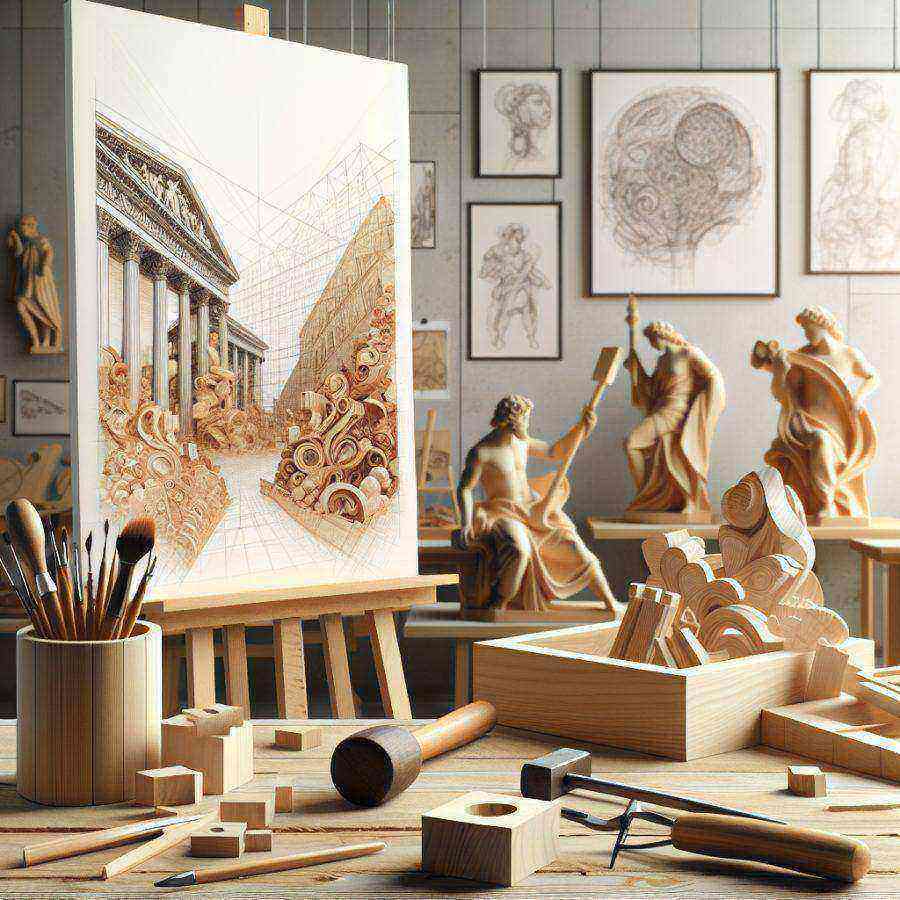
Ultimately, the intersection of art and wood crafting creates a dynamic environment where creativity flourishes. Artists can explore their visions while craftsmen ensure that these visions are realized in tangible forms. This synergy not only enriches the artistic community but also inspires others to appreciate the beauty of handcrafted wooden items.
As we continue to explore this topic, we will delve deeper into specific techniques and styles that exemplify the fusion of art and craftsmanship in wood crafting. Additionally, we will showcase various projects that highlight the potential of upcycled materials, such as creative upcycling ideas for old wooden furniture, demonstrating how art can breathe new life into forgotten pieces.
Art and wood crafting have long been intertwined, creating a rich tapestry of creativity and skill. When artisans approach their craft, they often bring not just tools and materials but also a deep understanding of aesthetic principles and personal expression. This connection between art and craftsmanship can be seen in various forms, from intricate carvings to functional furniture that doubles as a statement piece.
The Role of Aesthetics in Wood Crafting
Aesthetics play a pivotal role in the world of wood crafting. Every piece of wood has its unique grain patterns, colors, and textures, which can influence the final design. Artisans often select specific types of wood not only for their durability but also for their visual appeal. For instance, the warm hues of walnut or the striking patterns of burl can enhance the overall look of a crafted item. Understanding these properties allows crafters to make informed decisions that elevate their work beyond mere functionality.
Moreover, the artistic choices made during the crafting process can transform a simple wooden object into a work of art. Techniques such as carving, inlaying, and finishing are essential in bringing out the beauty of the wood. By exploring various methods, artisans can express their individuality and create pieces that resonate with viewers. This exploration of aesthetics is vital for anyone interested in the craft, as it opens up possibilities for innovation and personal style.
For those new to this world, familiarizing oneself with the essential tools for woodworking can significantly enhance the creative process. The right tools not only facilitate the crafting of beautiful items but also allow for greater experimentation with different techniques. As artisans develop their skills, they can begin to incorporate more complex designs and artistic elements into their work, further blurring the lines between art and craft.
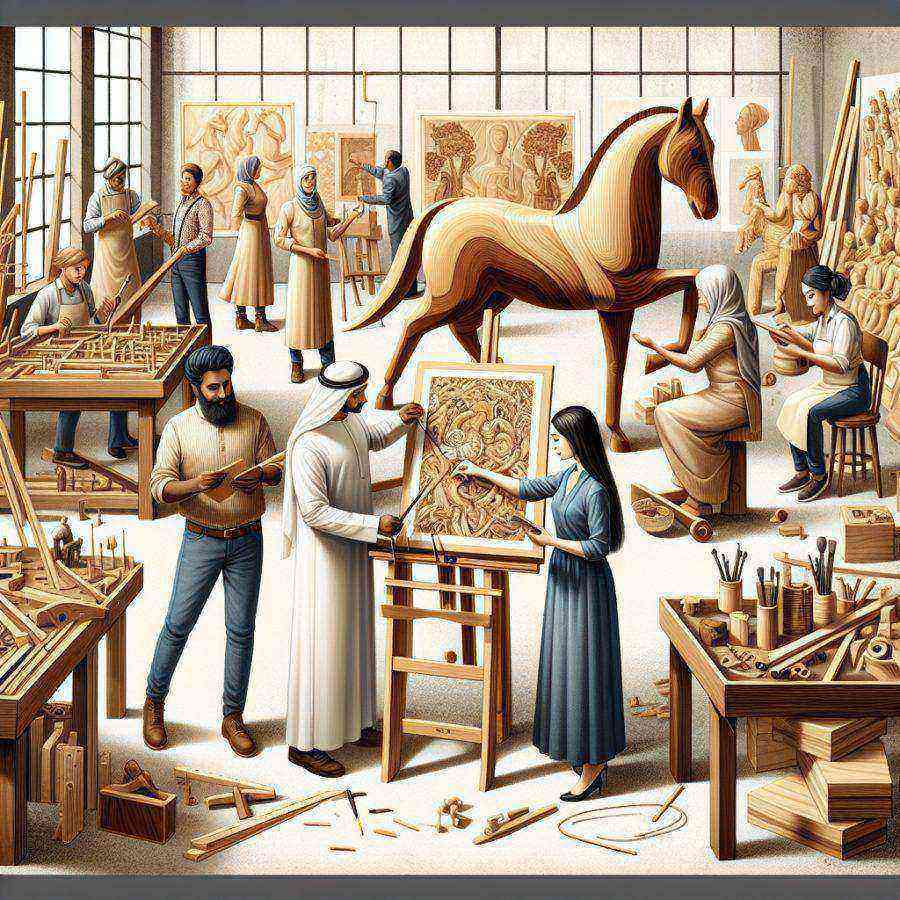
Storytelling Through Wood
Another fascinating aspect of wood crafting is its ability to tell stories. Each piece created can carry a narrative, whether it’s inspired by nature, personal experiences, or cultural heritage. Artisans often embed their stories within the materials they choose and the designs they create. For instance, a handcrafted table might symbolize family gatherings, while a carved sculpture could represent a connection to a specific place or memory.
This narrative aspect makes wood crafting not just a solitary endeavor but also an opportunity for community engagement. Many artisans share their stories through exhibitions or workshops, inviting others to connect with their work on a deeper level. Engaging in this storytelling process can also encourage collaboration, as different perspectives and experiences enrich the creative landscape.
Additionally, the fusion of craftsmanship and creativity fosters a unique environment where ideas can flourish. As seen in the work of artisans like Asa Christiana, the blending of craftsmanship and creativity can lead to innovative designs that resonate with both the creator and the audience. This symbiotic relationship between art and wood crafting not only enhances the quality of the work produced but also nurtures a sense of belonging within the artistic community.
The fusion of art and wood crafting creates a rich tapestry of creativity and functionality, showcasing the beauty of natural materials. As artisans delve into the world of woodworking, they often find that their craft transcends mere utility, becoming a medium for self-expression and storytelling. This intersection invites both amateur and professional woodworkers to explore techniques that elevate their creations into the realm of fine art.
The Aesthetic Appeal of Wood Art
Wood as a medium offers a unique aesthetic that is unmatched by many other materials. Each piece of wood has its own character, with distinct grain patterns, colors, and textures that contribute to the final artwork. Artists who specialize in wood crafting often emphasize these natural features, enhancing their pieces with finishes that highlight the wood’s inherent beauty. By embracing the organic qualities of wood, artisans can create stunning visual experiences that resonate with viewers.
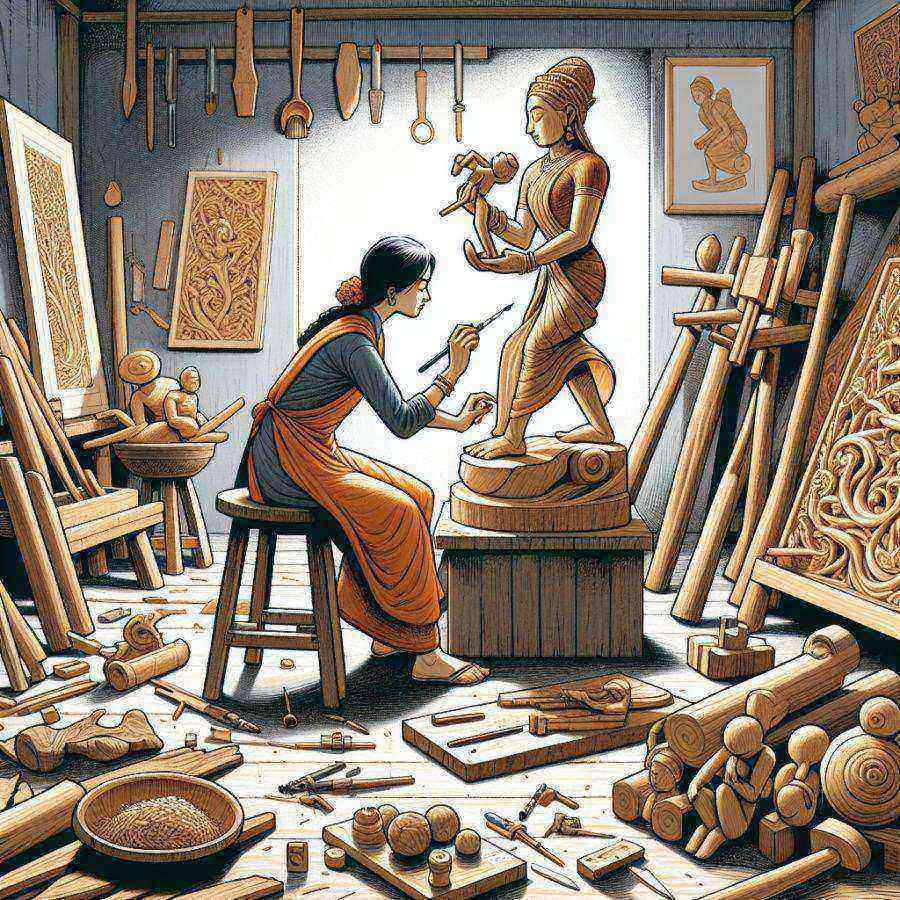
Moreover, the tactile nature of wood invites interaction, making it a favorite among artists who wish to engage their audience on a sensory level. The warmth and familiarity of wood can evoke feelings of nostalgia and comfort, drawing people into the art piece. As viewers run their fingers along the smooth surfaces or admire the intricate carvings, they connect with the work on a deeper emotional level.
Incorporating various techniques such as carving, turning, and marquetry allows woodworkers to push the boundaries of traditional craftsmanship. Each method brings its own set of challenges and rewards, encouraging artists to innovate and experiment. The result is a diverse array of wood art, from functional furniture to intricate sculptures, each piece telling a unique story through its design and execution.
Techniques and Innovations in Wood Crafting
As the world of art evolves, so too does the practice of wood crafting. Modern artisans are increasingly blending traditional techniques with contemporary innovations, resulting in a vibrant fusion of old and new. For example, the use of digital tools in design processes allows for precise measurements and intricate patterns that were once difficult to achieve by hand. This melding of technology and craftsmanship opens up new avenues for creative expression.
Additionally, sustainable practices are becoming more prevalent in wood crafting, as artists seek to minimize their environmental impact. Many woodworkers are opting for reclaimed wood or sustainably sourced materials, making a statement about their commitment to ecological responsibility. This trend not only enhances the narrative of their art but also appeals to a growing audience that values sustainability.
Artists are also exploring mixed media, incorporating elements such as metal, glass, or textiles into their wood creations. This approach not only adds depth and contrast to their work but also challenges the conventional perception of wood as a standalone medium. By breaking away from traditional boundaries, wood artisans can create multi-dimensional experiences that captivate and inspire.
For those interested in the finishing touches that can elevate their wood projects, understanding the nuances of various finishes is crucial. A detailed wood finish comparison can help artisans make informed choices about how to protect and enhance their creations, ensuring that the final product reflects their artistic vision.