
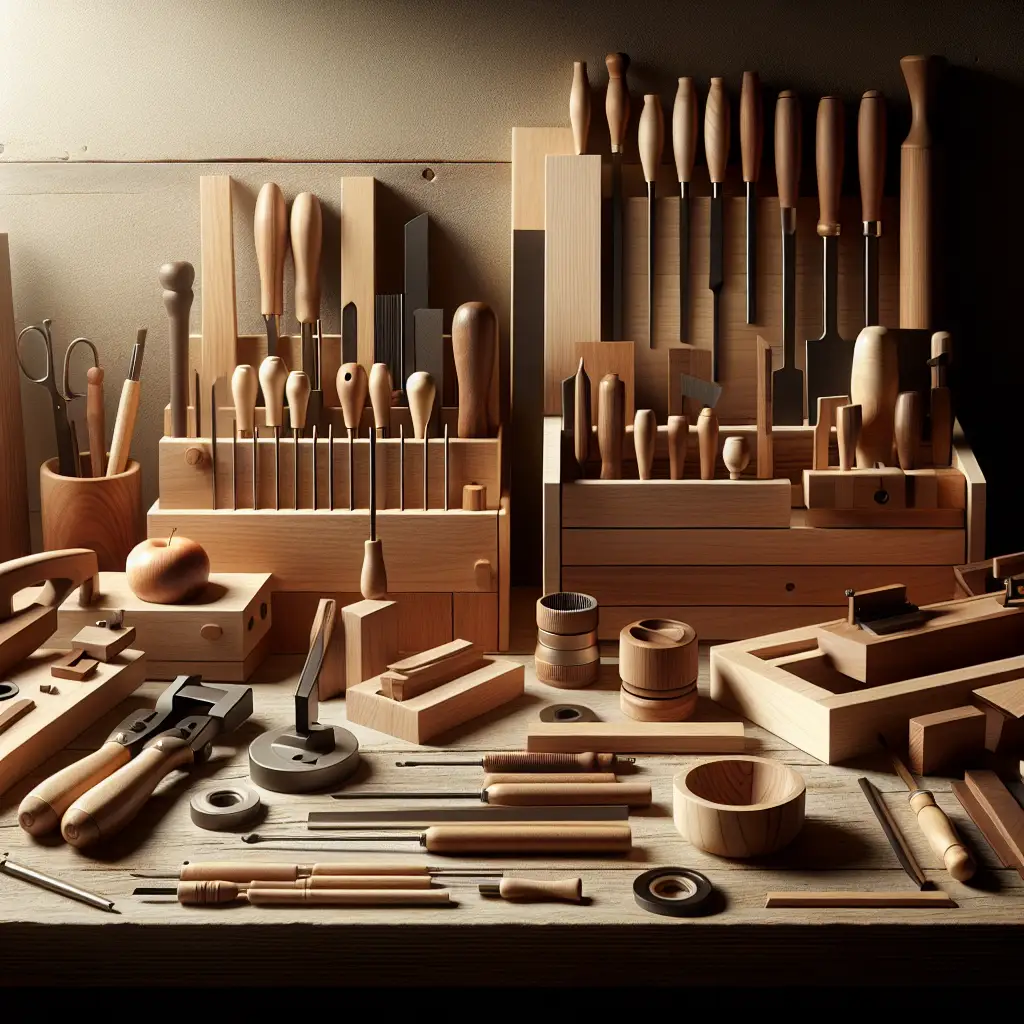
Woodworking has evolved significantly over the years, blending traditional craftsmanship with modern design principles. Today, woodworkers are not just creating functional pieces; they’re also exploring innovative techniques that push the boundaries of design and sustainability. This fusion of creativity and skill is leading to a new era in woodworking where artisans can express their individuality while also being mindful of the materials they use.
Embracing New Materials in Woodworking
One of the most exciting aspects of modern woodworking is the introduction of new materials that complement traditional wood. For instance, incorporating materials like resin or metal can enhance the aesthetics and functionality of a woodworking project. These combinations allow for unique designs that stand out while maintaining the warmth and beauty of wood. By exploring innovative techniques for woodworking, artisans can create pieces that are not only visually stunning but also environmentally sustainable.
Moreover, the use of reclaimed wood is becoming increasingly popular among woodworkers. This sustainable choice not only reduces waste but also adds character to each piece. The rich history embedded in reclaimed wood can be a focal point of storytelling within a design. By utilizing these materials, woodworkers can craft items that resonate with both the environment and the narrative of the wood itself.
Advanced Joinery Techniques
Joinery is another area where innovation is making waves. Traditional joinery methods are being enhanced by modern technology, allowing for more precise and intricate designs. Techniques such as finger joints or dovetail joints can be executed with laser cutters or CNC machines, resulting in flawless connections that were once only achievable by hand. This precision not only improves the integrity of the finished product but also opens up new possibilities for creative designs.
Furthermore, the integration of digital tools into woodworking processes is revolutionizing how artisans approach their craft. Software programs that simulate designs help woodworkers visualize their projects before cutting a single piece of wood. This not only saves time but also reduces material waste. As a result, incorporating storytelling in woodworking becomes easier, as designers can plan their narratives more effectively through digital mock-ups.
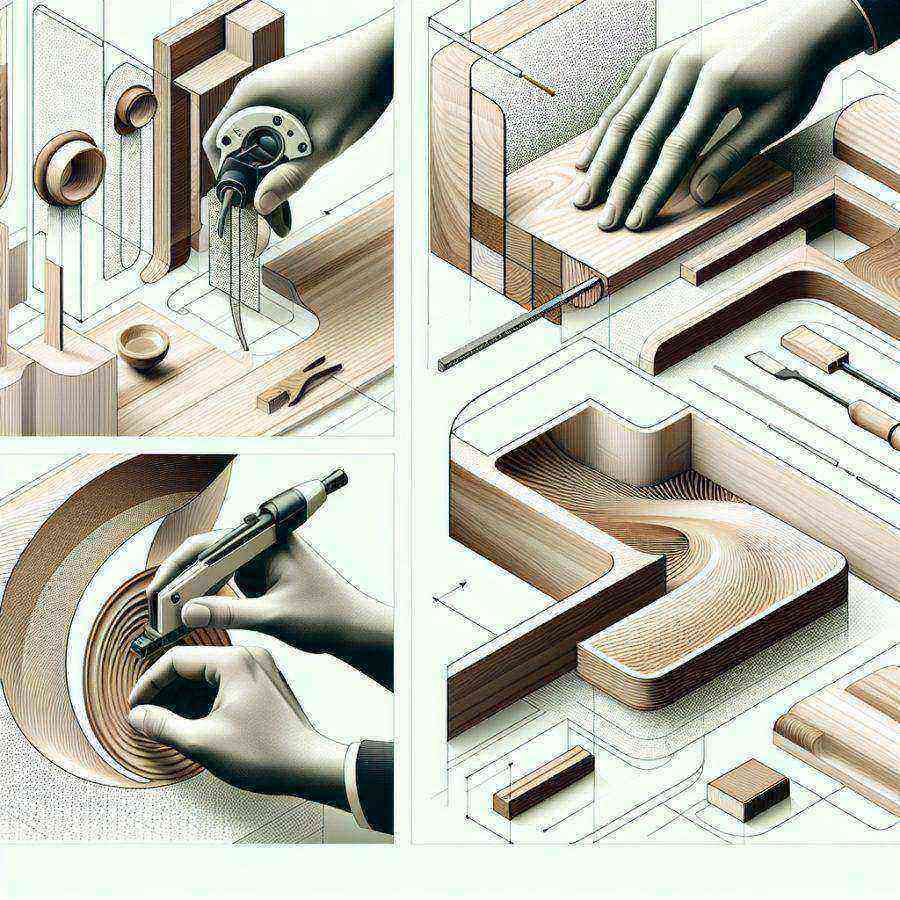
Woodworking has evolved significantly, embracing modern design principles while still honoring traditional craftsmanship. As artisans and hobbyists explore innovative woodworking techniques, they discover a wealth of possibilities for creating stunning pieces that reflect contemporary aesthetics. This segment delves into some of the most exciting methods that are redefining what is possible in the world of woodworking.
Embracing CNC Technology
One of the most groundbreaking advancements in woodworking is the incorporation of CNC (Computer Numerical Control) technology. This method allows for precise cuts and intricate designs that would be nearly impossible to achieve by hand. With CNC machines, woodworkers can create complex patterns and shapes, enhancing the visual appeal of their projects. Furthermore, this technology streamlines the production process, making it easier to replicate designs consistently. For those interested in mastering joinery techniques, understanding CNC applications can elevate your work to a professional level.
Another advantage of CNC technology is its ability to work with multiple materials. While wood remains the primary medium, CNC machines can also cut through metals and plastics, allowing for mixed-material designs that push the boundaries of traditional woodworking. This versatility opens up new avenues for creative expression, enabling artisans to experiment with various textures and finishes in their projects. As the demand for unique, custom pieces grows, integrating CNC technology becomes increasingly valuable for modern woodworkers.
Utilizing Epoxy Resins
Epoxy resins have emerged as a popular choice for woodworkers looking to add a contemporary twist to their projects. These resins can be used to fill gaps, create stunning river tables, or incorporate colorful designs within wooden pieces. The ability to mix pigments and additives with epoxy allows for endless customization, making each piece truly one-of-a-kind. When combined with different wood types, the results can be breathtaking, showcasing both the natural beauty of the wood and the vibrant characteristics of the resin.
Moreover, working with epoxy resins requires a different set of skills compared to traditional woodworking. Understanding the curing process, mixing ratios, and application techniques is essential for achieving the desired outcome. As artisans experiment with these materials, they often find themselves inspired to push the limits of their creativity, resulting in unique and innovative designs. Those interested in exploring different wood types for crafting will find that pairing them with epoxy can yield remarkable results.
Incorporating Sustainable Practices
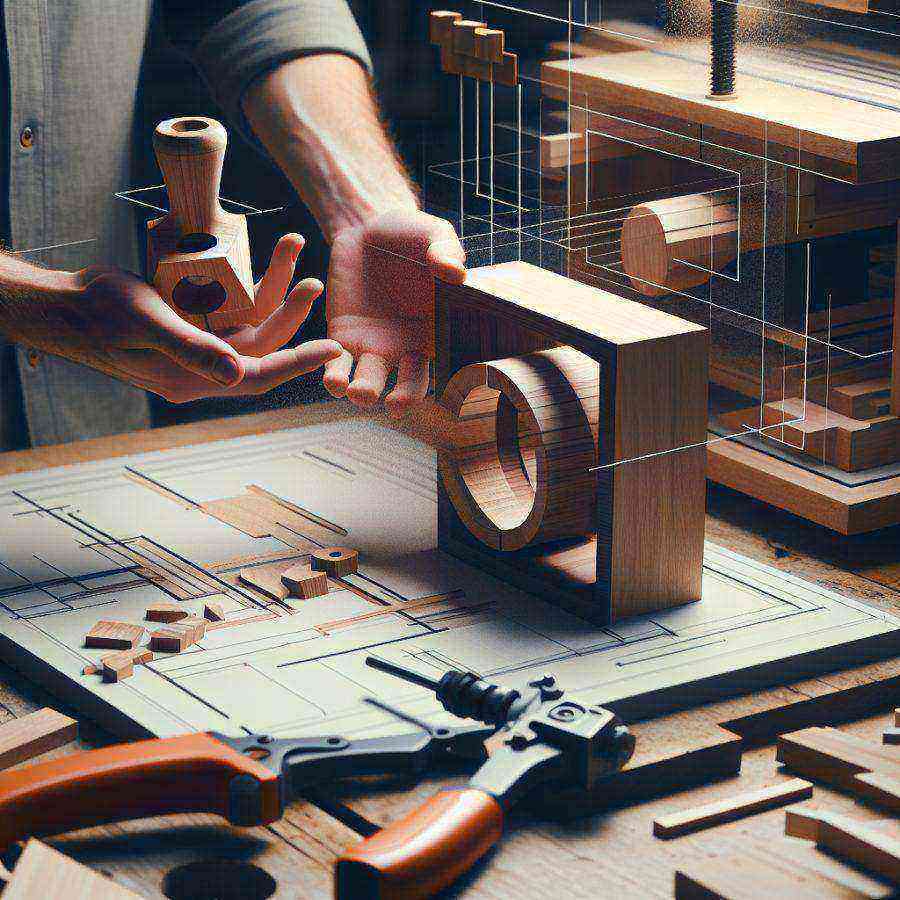
As the woodworking industry evolves, sustainability has become a crucial consideration for many artisans. Utilizing reclaimed wood and environmentally friendly finishes not only benefits the planet but also adds character to each piece. By sourcing materials responsibly, woodworkers can create stunning designs that tell a story while minimizing their ecological footprint. This shift towards sustainability is not just a trend; it reflects a growing awareness of the impact that craftsmanship can have on the environment.
Incorporating sustainable practices also involves being mindful of the production process. Techniques such as using water-based finishes and non-toxic adhesives contribute to a healthier workspace and reduce harmful emissions. As more woodworkers embrace these practices, they are setting a precedent for future generations, ensuring that the craft remains viable and responsible. The integration of sustainability into modern woodworking is not only beneficial for the environment but also enhances the overall appeal of the finished products.
As we explore the innovative woodworking techniques that can elevate modern designs, it’s essential to recognize how creativity and functionality can intertwine. Woodworking is not just about crafting furniture; it’s an art form that embraces sustainability, aesthetics, and practicality. By understanding and implementing unique methods, woodworkers can create stunning pieces that resonate with contemporary styles while respecting traditional craftsmanship.
Embracing New Tools and Technology
The introduction of advanced tools has significantly transformed the woodworking landscape. From CNC machines to laser cutters, these technologies allow artisans to achieve precision that was once unimaginable. Utilizing such equipment not only enhances the accuracy of designs but also opens up new avenues for creativity. For instance, CNC routers can carve intricate patterns and shapes that add a modern flair to traditional wooden pieces, making them stand out in any setting.
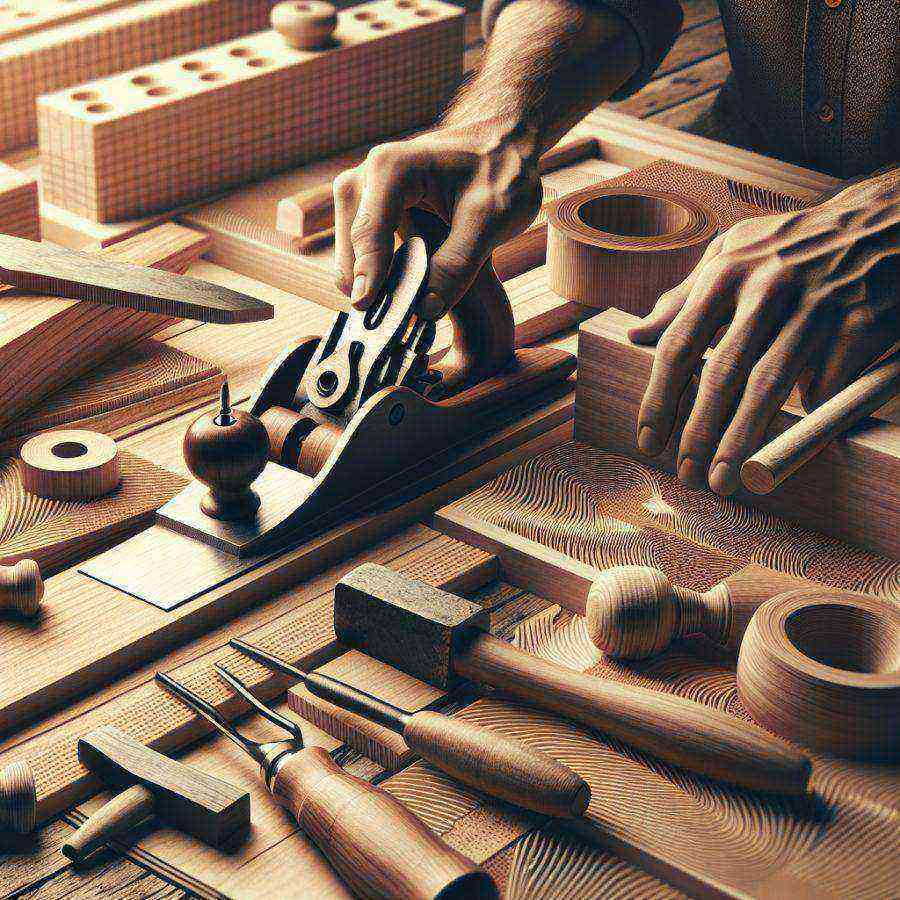
Moreover, the integration of software in the design process has made it easier for woodworkers to visualize their projects. Programs that allow for 3D modeling help in foreseeing the final product, making adjustments before the actual crafting begins. This foresight minimizes waste and enhances the overall quality of the work. By embracing these modern tools, woodworkers are not just keeping up with trends; they are setting new benchmarks for what can be achieved in woodworking.
Exploring Sustainable Practices
Another significant trend in modern woodworking is the focus on sustainability. As consumers become more environmentally conscious, woodworkers are adapting by sourcing reclaimed wood and utilizing eco-friendly finishes. This shift not only reduces the carbon footprint associated with new lumber production but also gives a unique character to each piece created. Reclaimed wood often comes with a rich history, adding depth and storytelling to furniture that new wood simply cannot replicate.
Additionally, many artisans are experimenting with upcycling, transforming old wooden furniture into modern masterpieces. This practice not only promotes sustainability but also challenges woodworkers to think outside the box. By reimagining old pieces, they can create functional art that breathes new life into forgotten materials. For instance, upcycling wooden furniture allows for a blend of styles and eras, making each creation truly one-of-a-kind.
Innovative Finishing Techniques
Finishing is another area where innovation is playing a crucial role. Traditional varnishes and stains are being replaced with more modern alternatives that offer better durability and aesthetics. Techniques such as epoxy resin application not only provide a glossy finish but also enhance the wood’s natural beauty by filling in imperfections. This method is particularly popular for tabletops and countertops, where a smooth, durable surface is essential.
Moreover, experimenting with textures and colors in finishes can dramatically change the look of a piece. Techniques like wire brushing or sanding can create a distressed, rustic appearance, while high-gloss finishes can give a sleek, contemporary vibe. By mastering these finishing techniques, woodworkers can elevate the visual impact of their designs and cater to a broader range of tastes and preferences.