
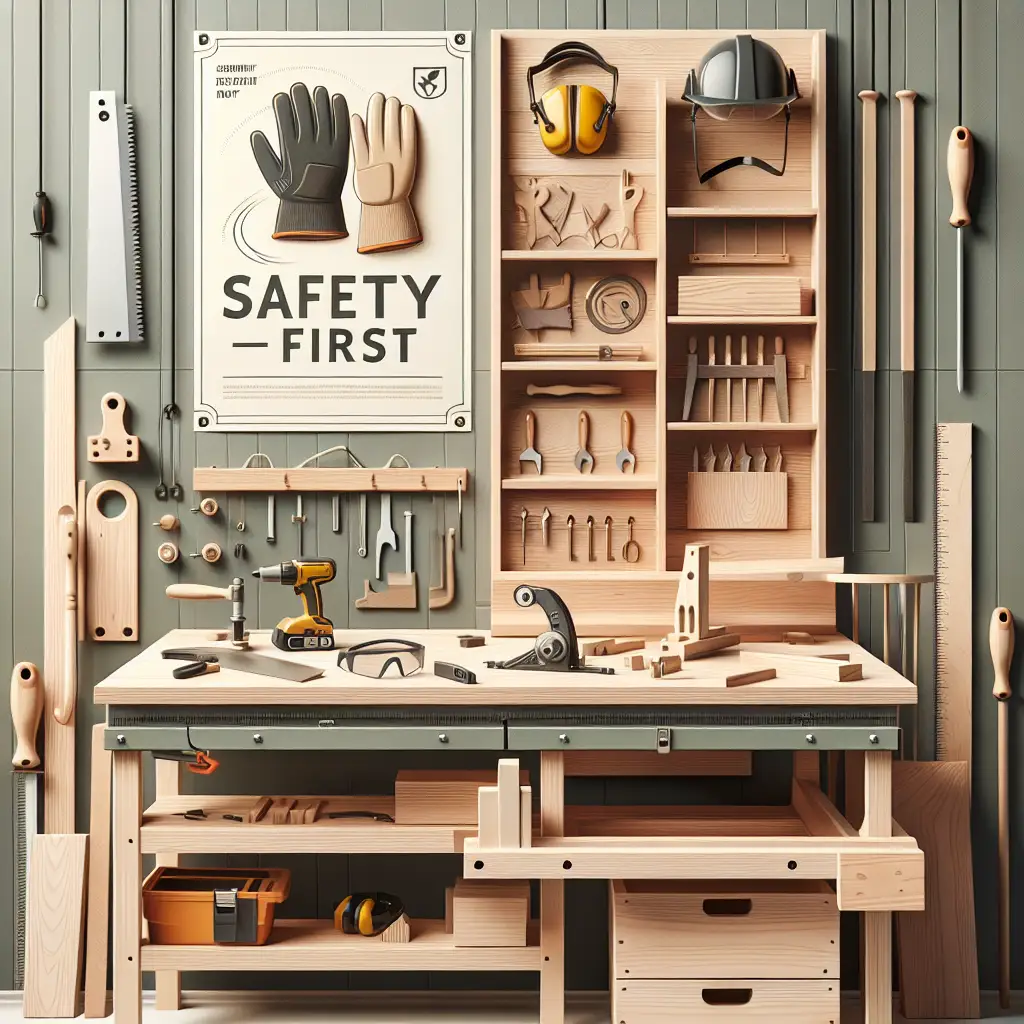
Woodworking is a rewarding and creative hobby, but it comes with its own set of risks and challenges, especially for beginners. Understanding the importance of safety in the workshop can make a significant difference in your woodworking experience. By following some fundamental safety tips, you can ensure a safer environment while honing your skills.
Understanding the Basics of Woodworking Safety
Before diving into your first project, it’s crucial to familiarize yourself with the essential safety protocols. The workshop can be a hazardous place if proper precautions are not taken. Always wear protective gear, such as safety goggles and hearing protection, to shield yourself from potential injuries. Additionally, maintaining a clean workspace can help prevent accidents caused by clutter.
One of the first things to consider is your personal protective equipment (PPE). This includes items like gloves, dust masks, and sturdy footwear. Not all PPE is suitable for every task, so ensure you choose the right equipment based on the tools and materials you’ll be using. For example, a dust mask is particularly important when working with materials that produce fine dust, which can be harmful to your lungs.
Tools and Equipment Safety
Understanding how to properly use tools is vital for any woodworking beginner. Always read the manuals and familiarize yourself with each tool before use. Power tools, in particular, can be dangerous if not handled correctly. Make sure to use the right tool for the job and avoid improvising with tools that are not designed for specific tasks. For instance, if you’re unsure about how to use a saw, consider checking out essential tools for beginners to understand their proper use.
Moreover, always keep your work area well-lit and organized. A well-maintained workspace can help you focus and reduce distractions, thus lowering the risk of accidents. Make sure to store tools safely when not in use, and never leave them lying around where someone might trip over them or accidentally grab them.
Workplace Practices for Safety
Establishing good workplace habits is another key aspect of woodworking safety. Always ensure that you are in a stable position while using tools and avoid reaching across your body while cutting. It’s also wise to keep your hands and fingers clear of cutting paths, as this can prevent serious injuries.
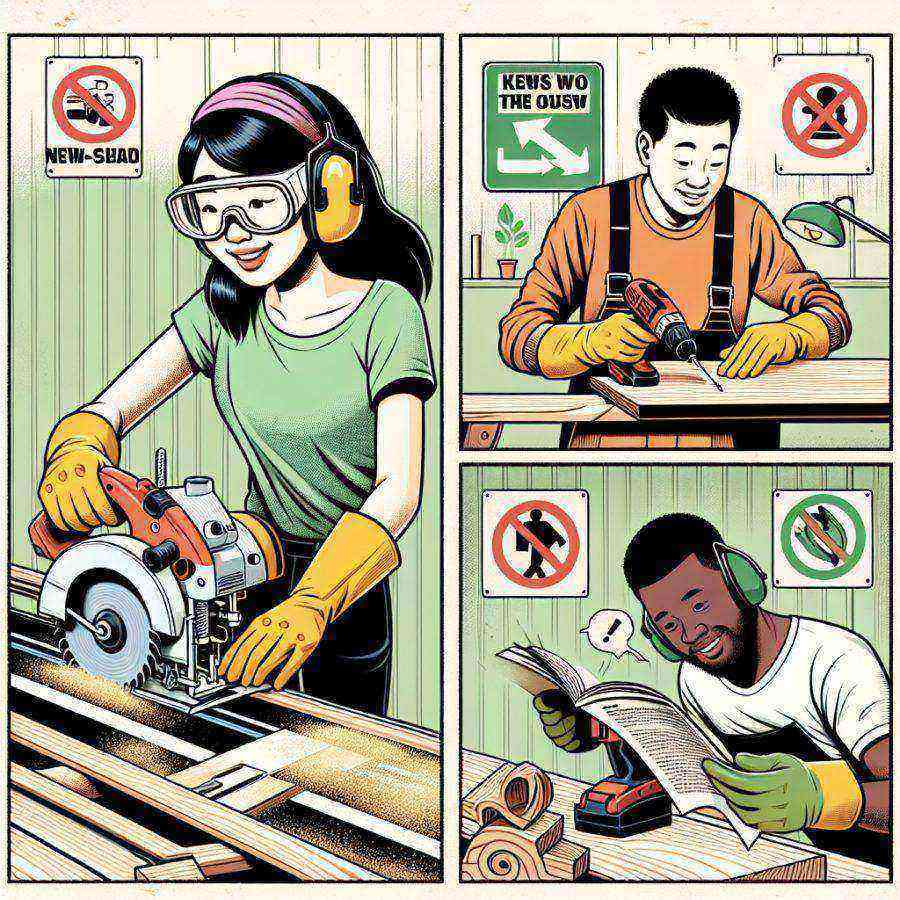
When working with larger pieces of wood, ensure they are adequately supported to avoid pinching or binding during cuts. Using clamps or jigs can help stabilize materials, allowing for safer and more precise cuts. Additionally, consider learning about joinery techniques for woodworking to enhance your skills while maintaining safety.
- Always check for safety features on tools.
- Keep a first aid kit readily available.
- Never work while tired or under the influence.
- Regularly inspect your tools for wear and tear.
By implementing these safety tips and making them a part of your woodworking routine, you can create a safer environment for yourself and others. As you gain experience, these practices will become second nature, allowing you to focus on the joy of creating beautiful projects.
Woodworking can be an incredibly rewarding hobby, but it also comes with its share of risks. As a beginner, understanding the essential safety precautions is crucial to ensure not only your safety but also the safety of those around you. By following a few basic guidelines, you can enjoy your woodworking projects with confidence and peace of mind.
Understanding Your Workspace
Creating a safe workspace is the first step in woodworking safety. Ensure that your work area is clean and organized, as clutter can lead to accidents. Keep tools and materials within reach but stored properly when not in use. Good lighting is also essential; a well-lit space allows you to see the details of your work, reducing the likelihood of mistakes that could lead to injury. For more tips on setting up your workspace, you might find getting started in woodworking helpful.
Personal Protective Equipment (PPE)
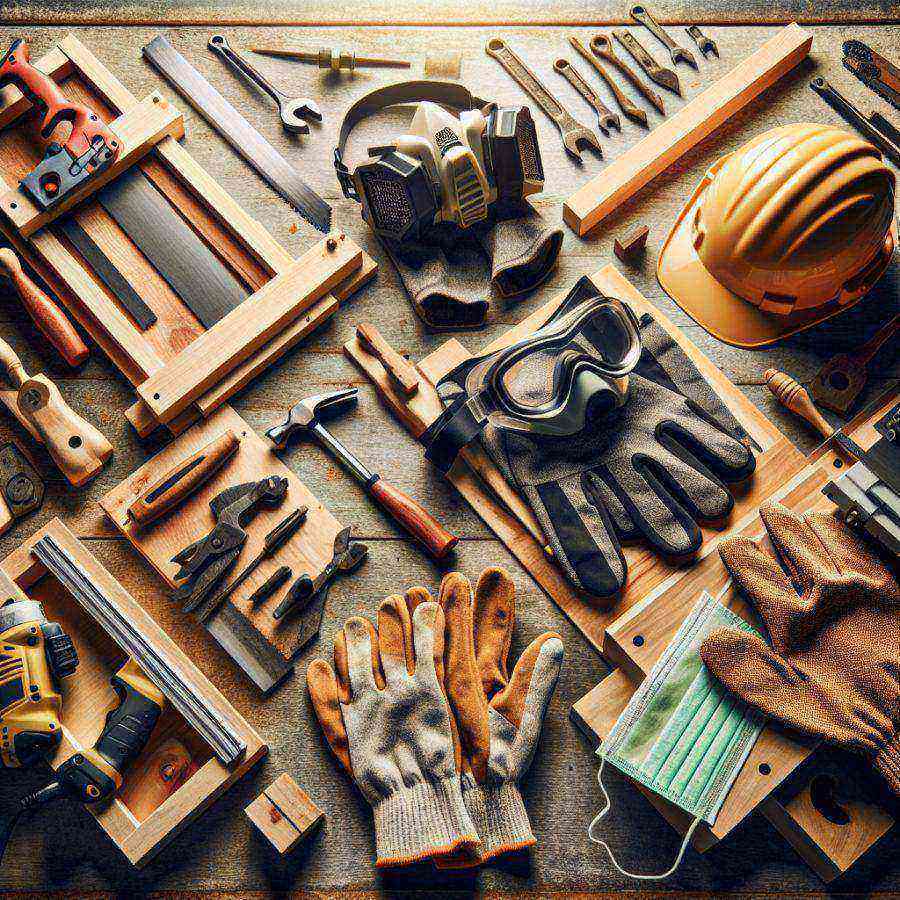
Investing in the right personal protective equipment is vital for any woodworking project. Safety glasses are a must to protect your eyes from flying debris, while a dust mask can help filter out harmful particles. Hearing protection is also recommended, especially when using loud power tools. Wearing appropriate clothing, such as fitted shirts and closed-toe shoes, can further reduce the risk of accidents. Remember, taking these precautions can significantly enhance your safety while you enjoy your craft.
Tool Safety and Maintenance
Understanding how to use your tools safely is a critical component of woodworking. Always read the operating manual for each tool and familiarize yourself with its functions before use. Ensure that tools are well-maintained; dull blades and malfunctioning equipment can lead to accidents. Regular maintenance checks can help prevent injuries caused by equipment failure. For those interested in eco-friendly practices, exploring sustainable woodworking techniques can also offer insights into safer tool usage.
Safe Cutting and Handling Techniques
When cutting wood, always use a stable surface and secure your material properly. This prevents the wood from shifting during cutting, which could result in injury. Additionally, use push sticks or other aids when working with table saws to keep your hands away from the blade. Always cut away from your body and maintain a clear line of sight. These simple techniques can greatly reduce the risk of accidents in your woodworking projects.
As you embark on your woodworking journey, it’s crucial to maintain a strong focus on safety. Woodworking can be immensely rewarding, but it also poses various risks if proper precautions aren’t taken. By incorporating essential safety tips, you can create a secure environment that fosters creativity and productivity.
Understanding Personal Protective Equipment
One of the first steps to ensuring your safety in woodworking is to invest in personal protective equipment (PPE). This includes items such as safety goggles, dust masks, and hearing protection. Safety goggles are essential for shielding your eyes from flying debris, while dust masks protect your lungs from harmful wood particles. Additionally, hearing protection is crucial when using loud machinery, as prolonged exposure can lead to hearing loss.

When selecting your PPE, ensure that it fits correctly and is comfortable to wear. Ill-fitting equipment can be distracting and may not provide the intended protection. Always prioritize high-quality gear, as this can significantly reduce the risk of injury. Remember, your safety should never be compromised in the workshop.
For beginners looking to enhance their skills, consider the benefits of woodworking classes. These classes often emphasize safety practices, ensuring that you develop good habits from the start.
Maintaining a Clean and Organized Workspace
Another critical aspect of woodworking safety is maintaining a clean and organized workspace. Clutter can lead to accidents, as it increases the risk of tripping or knocking over tools. Regularly clean up sawdust and wood shavings, as these can create slippery surfaces. After completing a project, take the time to put tools back in their designated places to avoid confusion during your next session.
Having a well-organized workspace also enhances your efficiency. When tools and materials are easy to find, you can focus more on your project and less on searching for equipment. Additionally, consider implementing a system for categorizing your tools, whether by type or frequency of use. This practice not only keeps your workspace tidy but also contributes to a safer environment.
Lastly, ensure that all tools are in good working condition. Regularly inspect them for any signs of wear and tear, and replace or repair damaged items promptly. A well-maintained tool is less likely to malfunction, reducing the risk of injury as you work on your projects.