
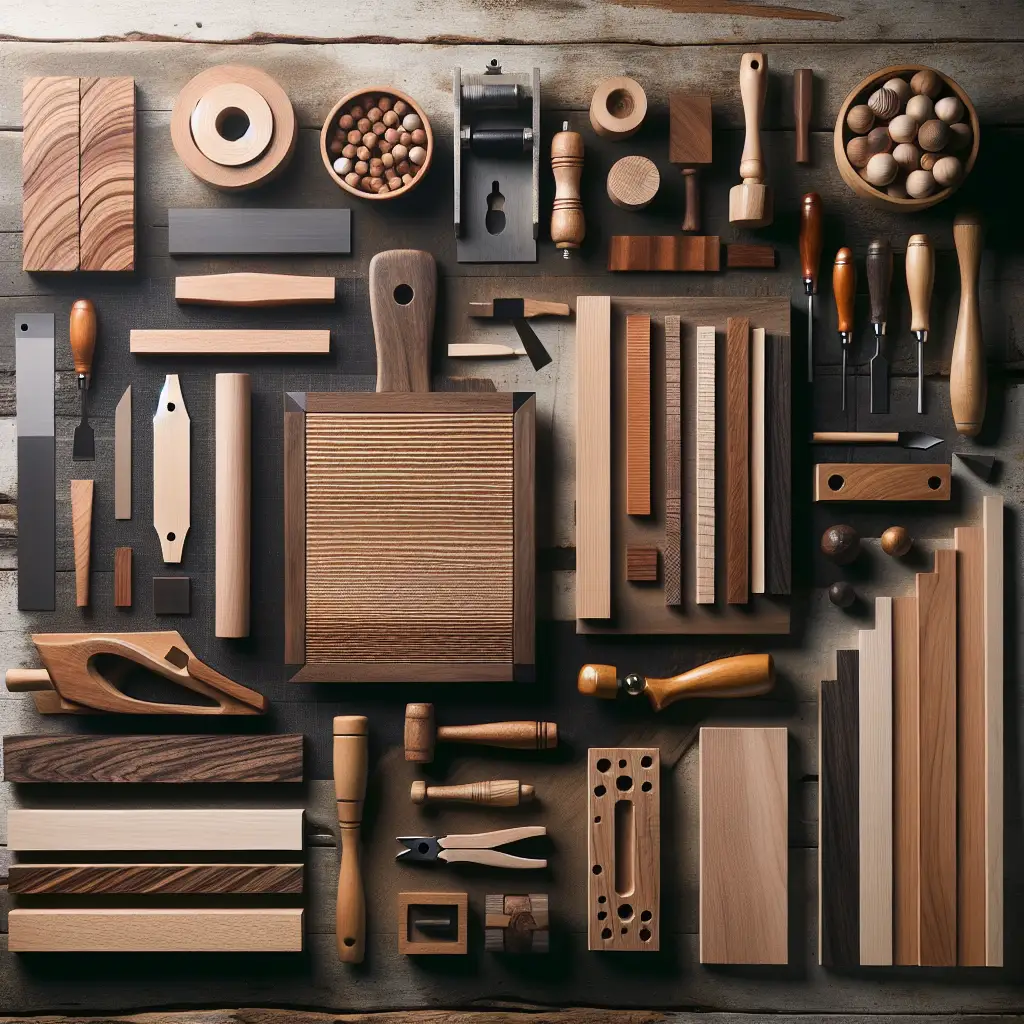
Crafting with wood is a timeless art, and the choice of wood can significantly affect the outcome of your projects. Each wood type brings its own unique characteristics, including color, grain, and durability. Understanding these differences is essential for any crafter looking to enhance their skills and achieve the best results.
The Importance of Choosing the Right Wood
When embarking on a woodworking project, selecting the right type of wood is crucial. Different woods offer varying levels of strength, flexibility, and aesthetic appeal. For instance, hardwoods like oak and maple are known for their durability and resistance to wear, making them suitable for furniture and cabinetry. Conversely, softwoods like pine and cedar are often easier to work with and are ideal for beginners.
Wood selection also impacts the final appearance of your project. Exotic woods, such as mahogany and teak, can provide stunning visual effects due to their rich colors and unique grain patterns. These woods are perfect for decorative items and high-end furniture. To delve deeper into this topic, you might find it interesting to explore sustainable woodworking practices, which emphasize the use of responsibly sourced materials.
Common Wood Types for Crafting
Below is a table summarizing some common wood types along with their characteristics:
| Wood Type | Characteristics | Common Uses |
|---|---|---|
| Oak | Strong, durable, and water-resistant | Furniture, flooring |
| Pine | Lightweight, easy to work with, affordable | Cabinetry, crafts |
| Cedar | Natural resistance to decay, aromatic | Outdoor furniture, closets |
| Mahogany | Beautiful grain, rich color | High-end furniture, musical instruments |
Another important factor to consider is how the wood will react to changes in humidity and temperature. For instance, certain woods are more prone to warping and splitting, which can affect the integrity of your project. To ensure a successful outcome, it’s beneficial to familiarize yourself with joinery techniques that can help mitigate these issues and enhance the overall quality of your work.
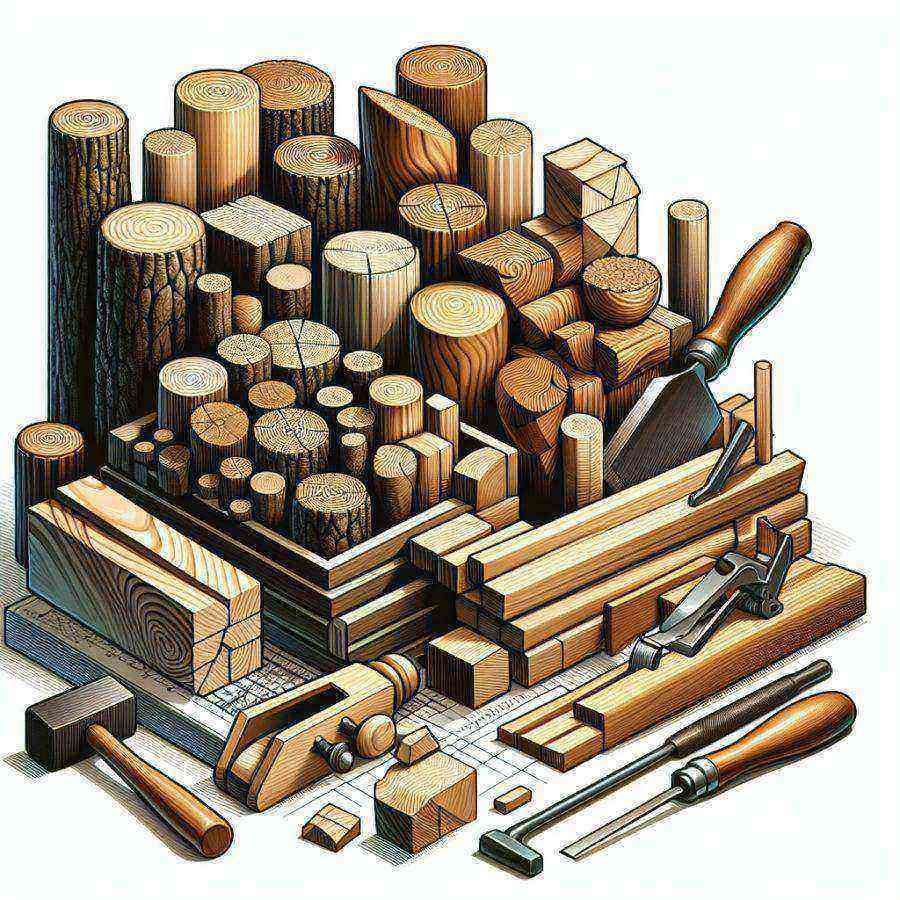
Crafting with wood is not only a rewarding hobby but also an opportunity to explore the unique characteristics of various wood types. Each type of wood brings its own aesthetic, durability, and workability to your projects. Understanding these differences can help you make informed choices that enhance your craftsmanship.
Softwoods vs. Hardwoods
When diving into the world of wood types, the first distinction to consider is between softwoods and hardwoods. Softwoods, such as pine and cedar, are derived from coniferous trees, which typically have needles and cones. These woods are generally easier to work with, making them ideal for beginners. Their lightweight nature allows for effortless handling, and they often come at a lower cost, making them accessible for various projects.
On the other hand, hardwoods like oak and maple come from deciduous trees, which lose their leaves annually. Hardwoods are denser and more durable, providing a robust finish for furniture and cabinetry. This durability can make them a bit more challenging to work with, but the end result is often worth the effort. For those looking to enhance their projects, understanding wood finishing techniques can significantly elevate the overall look and longevity of your creations.
Popular Wood Types for Crafting
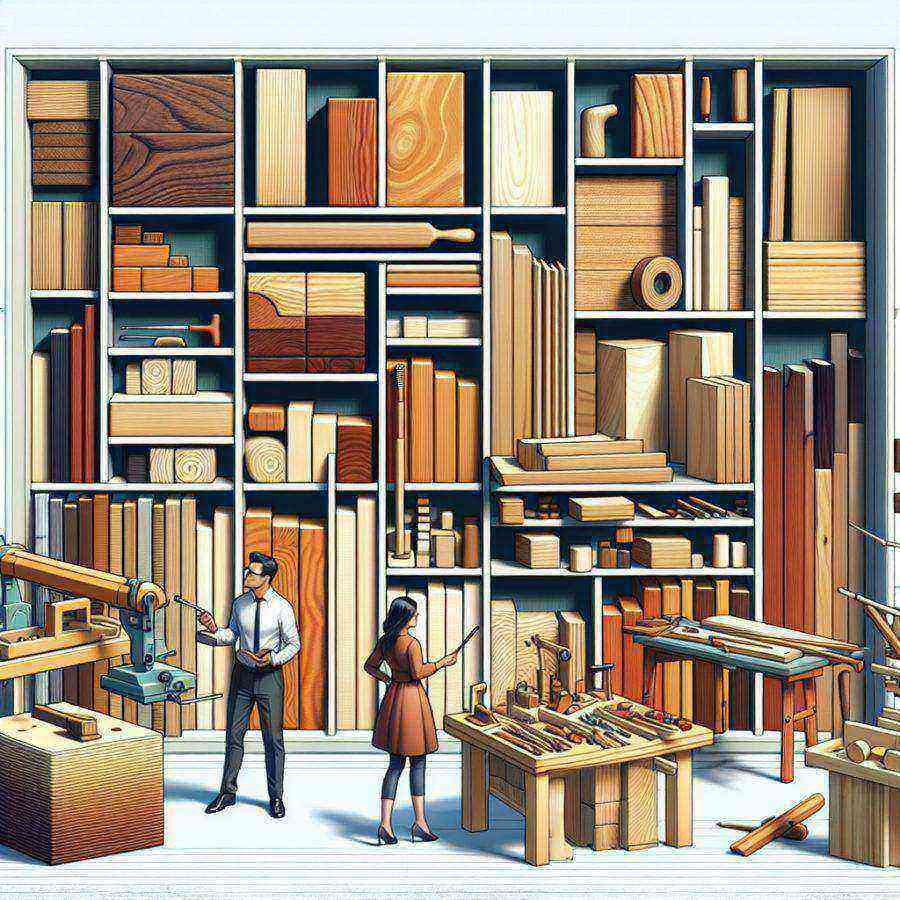
Among the most popular wood types used in crafting, pine stands out for its versatility and ease of use. Its natural light color and straight grain make it a favorite for furniture and decorative items alike. Furthermore, pine accepts stains and paints well, allowing crafters to customize their projects easily. For those who prefer a more rustic appeal, reclaimed pine can add character and history to any piece.
Another favorite is birch, known for its smooth surface and fine grain. This wood is often used for cabinetry and plywood, providing a sleek finish that complements modern designs. If you’re considering investing in quality tools, exploring woodworking tools brands can help you find the right equipment to work with birch and other hardwoods effectively.
As we wrap up our exploration of various wood types for crafting, it’s essential to reflect on the unique qualities and characteristics that each type brings to the table. Whether you are a seasoned woodworker or just beginning your crafting journey, understanding the nuances of different woods can significantly enhance your projects. With the right knowledge, you can select the perfect wood that not only meets your aesthetic needs but also aligns with the functionality required for your creations.
Choosing the Right Wood for Your Crafting Needs
When it comes to crafting, the choice of wood can make or break your project. Different woods have distinct properties that can influence everything from durability to ease of manipulation. For example, hardwoods like oak and maple are known for their strength and durability, making them ideal for furniture and long-lasting items. In contrast, softwoods such as pine and cedar are lighter and easier to work with, perfect for beginners or for projects that require intricate designs.
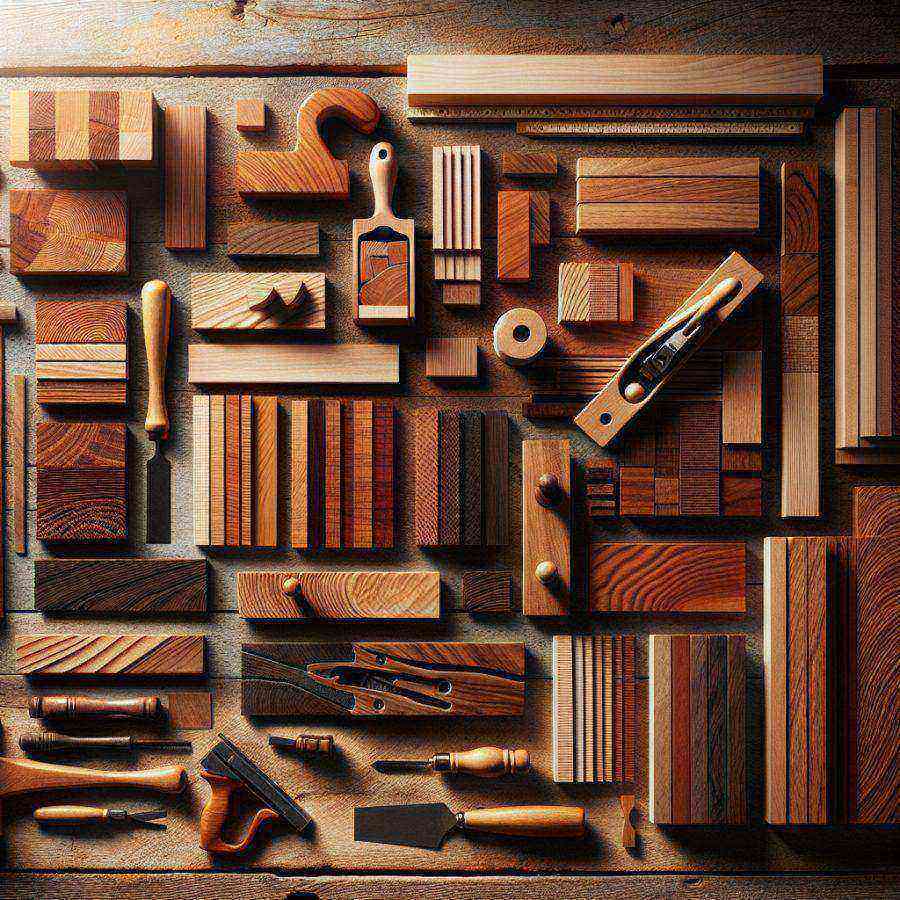
Moreover, the grain pattern and color of the wood can significantly impact the visual appeal of your final product. A project made with cherry wood will have a warm, rich hue that deepens over time, while birch offers a light, modern look that complements a variety of styles. Choosing the right wood not only enhances the functionality of your craft but also adds an element of beauty to your work.
Exploring Creative Possibilities with Wood
Crafting with wood opens up a world of creative possibilities. From furniture to decorative pieces, the versatility of wood allows artisans to express their creativity in numerous ways. You might find yourself inspired by a unique piece of reclaimed wood that can be transformed into a stunning table or a decorative wall hanging. The beauty of working with wood lies in its ability to tell a story, blending function with artistry.
Additionally, the trend of upcycling wooden furniture has gained popularity among crafters looking to give new life to discarded materials. This not only promotes sustainability but also allows for endless customization options. With a bit of creativity and the right tools, you can turn old wooden items into something entirely new and exciting.
In conclusion, the journey of crafting with wood is as rewarding as it is diverse. By understanding the different types of wood available and their respective qualities, you can select the best materials for your projects. Whether you choose to work with hardwood or softwood, the possibilities are endless, and each project will reflect your unique style and creativity. So gather your tools, pick your wood, and let your imagination run wild!